
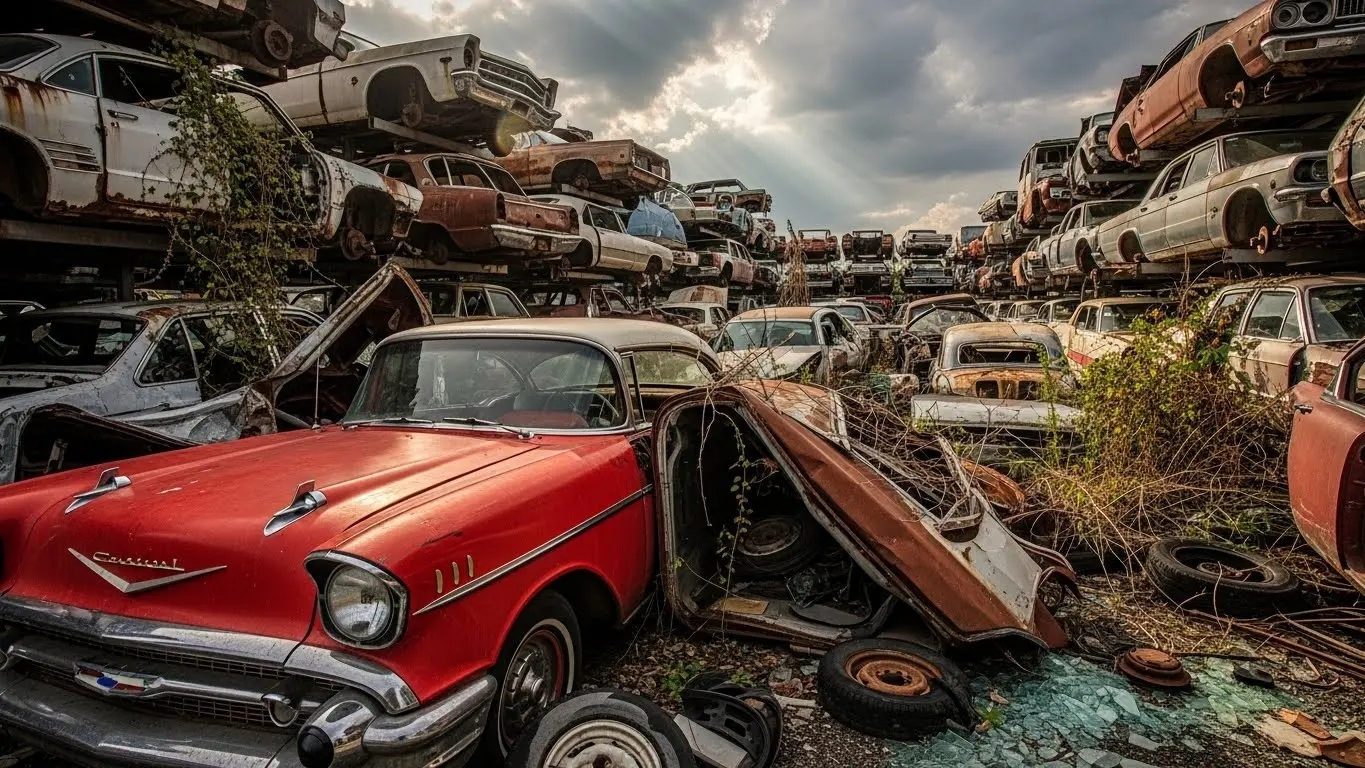
If you’re thinking about selling your old clunker, that broken-down, not-running car sitting in your driveway, then hold up for a second because every car has a “value game” going on.
Not every buyer is going to pay you top dollar, and neither does the value of every car depend on similar factors. Small things often lead to big deductions, and you should know about them before contacting any buyer.
Selling your junk car is not easy. This blog will help you understand the common deductions in junk car valuation made by buyers, and how you can avoid them to get the best value out of your old ride.
Missing Parts Means Missing Dollars
The first and most obvious reason for deductions is missing parts in your car. Dealers and junkyard professionals make money from vehicle by selling its metal and other components.
So, when something is missing, their profit margin decreases and your offer automatically goes down.
High-value components such as the catalytic converter, battery, radiator, and alternator play a major role in determining your car’s price. If these are missing, you can expect your offer to be cut down by at least 20%–40%.
The catalytic converter, in particular, is considered the “gold bar” of the junk car world a deal becomes significantly weaker without it. Its precious metals like platinum, palladium, and rhodium make it one of the most valuable parts in a scrap car.
So, if it’s missing, the junkyard is losing a major chunk of profit and will compensate for that by offering you less.
Rust and Body Damage
Rust is basically a slow poison for a car. It eats away at the structure, reduces the strength of the frame, and makes recycling harder.
Cars in coastal or humid regions are especially prone to rust and underbody corrosion due to high humidity levels, salty air, and frequent rain.
Rusted bodies, damaged panels, and broken frames are a pain for junkyards because they require more time, labor, and cost to clean and recycle the metal. The more rust and dents, the higher the deductions.
If the frame is damaged, the body panels are crushed, or the floor is severely rusted, all these factors will significantly lower your car’s price. The buyer might not care about how your car looks but they definitely care about the quality and condition of the metal they’ll extract from it.
Missing Title or Documents
Another major deduction comes from missing paperwork. If you don’t have the ownership documents (the title) for your car, the dealer is at legal risk. They need to verify that the car isn’t stolen and that they’re not breaking any state laws by buying it.
When the title is missing, most dealers will cut 30%–40% off the offer. Some “Cash for Junk Cars” services advertise a “No Document, No Problem” policy but even then, they offer lower quotes to cover the risk of taking in a vehicle without proper verification.
So, always keep your ownership documents ready. Having the title not only makes the transaction legal and smooth but also makes sure you get the best possible offer.
Non-Running Cars and Towing Charges
If your car is not running, the dealer will have to send a tow truck to collect it. While some reputable companies provide free towing, not every buyer offers this service. Many will indirectly subtract the towing cost from your final offer.
So before accepting any quote, always ask upfront if the towing is free or if the charge will be deducted from your payment. Most trustworthy Cash for Junk Cars companies do offer free towing, but it’s better to confirm in advance.
Also Read: Want to know more about how to turn junk cars into cash? Read here
Scrap Metal Market Rate
This is one factor many people overlook. The rates of junk cars are not fixed they fluctuate based on the daily market prices of metals like steel, copper, and aluminum.
If the metal market is down, your offer will automatically be lower. So, if your friend got $700 for his junk car last month and you’re only getting $500 today, don’t rush to blame the dealer.
Instead, check the current metal market rates. Prices can fluctuate daily or weekly, and dealers adjust their offers accordingly.
Keeping an eye on these rates before you sell can help you choose the right time to sell your junk car for maximum profit.
Fluids and Hazardous Waste
Another hidden deduction comes from fluids and chemicals still present in the car. If the engine oil, coolant, brake fluid, or gasoline hasn’t been drained, the dealer will need to remove them safely according to the regulations.
This process costs money and time, and that cost is often deducted from your offer.
Junkyards are required by law to handle fluids safely and dispose of hazardous materials properly, so if your car still contains them, expect a small deduction for the extra labor and processing cost.
Flood or Fire Damage
Let’s be honest, storms and floods are becoming more common these days. If your car has been caught in a flood, your offer will likely be cut in half. Flooded vehicles usually have dead engines, ruined electrical systems, and corroded components that can’t be reused.
The same applies to fire-damaged cars. However, it depends on the extent of the damage. If your car is completely burnt down to the wiring, you won’t get much. But if it’s only partially damaged and some parts are still usable, you can still receive a decent amount of money.
As a general estimate, expect a 40%–60% deduction if your car has suffered water or fire damage.
Unrealistic Expectations
We all get attached to our old cars. They hold memories, stories, road trips, and nostalgia. But for a dealer, your car is nothing more than a piece of metal.
If you think your 2005 Corolla will still fetch $1,000 from a junk dealer, here’s a reality check. On average, junk cars sell for around $200–$600, depending on their weight, condition, and the value of their parts.
Having realistic expectations helps you negotiate better and avoid disappointment. Remember, buyers are running a business; they factor in towing, part resale, labor, and recycling costs before giving you a quote.
How to Get Maximum Cash for Your Junk Car
While deductions are unavoidable, a smart approach can help you get the most out of your deal. Here are a few tips to maximize your junk car’s value:
- Keep the title and documents ready.
- Check for missing or valuable parts before calling a dealer.
- Confirm if towing is free or if it’ll be deducted.
- Check the metal market rate for the day.
- Keep the car clean and presentable.
- Be honest about any flood or fire damage.
These small steps can help you avoid unnecessary deductions and ensure you walk away with a fair deal.
Profit From Junk
At the end of the day, selling a junk car isn’t rocket science. You just need a bit of knowledge and good market timing. Dealers always play the profit game, and understanding their rules helps you play smarter.
So, if you’re ready to turn that rust bucket into quick cash, call Cash for Junk Cars NYC today! We provide fast pickup, free towing, and instant cash on the spot all over NYC.
Don’t let that old ride rot away, make it pay you back!


